Research and Scholarship / KPSOM Spotlight

Reducing Mental Health Stigma for AA+NHPI Youth

KPSOM’s Dr. Joyce Javier partners with families, researchers, communities for solutions

June 22, 2026

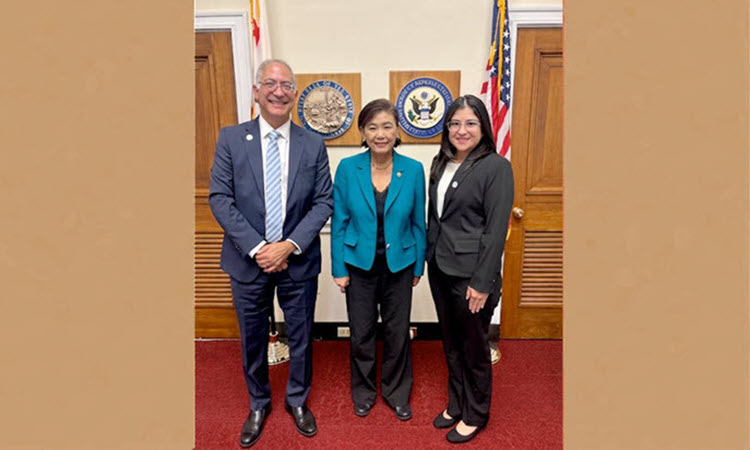
Dr. Joyce Javier (second from the left), KPSOM Associate Professor of Health Systems Science, pictured with peers at the Paediatric Research for the Future of Children global forum.

Dr. Joyce Javier (second from the left), KPSOM Associate Professor of Health Systems Science, pictured with peers at the Paediatric Research for the Future of Children global forum.

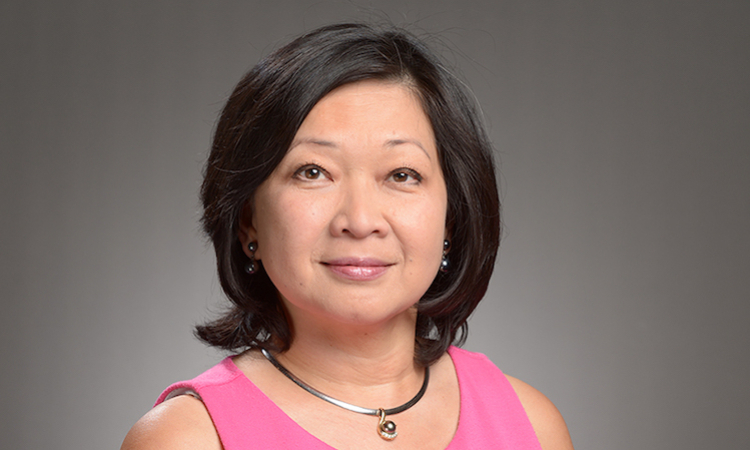
Of the 27.4 million people identified as Asian American, Native Hawaiian, and Pacific Islander (AA+NHPI) in the United States, those aged 12 to 19 are the only racial ethnic group for whom suicide is the leading cause of death, shared Joyce Javier, MD, MPH, MS, FAAP, Kaiser Permanente Bernard J. Tyson School of Medicine Associate Professor of Health Systems Science.  

Bearing this grim statistic in mind, Dr. Javier’s National Institute of Health-funded research has long focused on community-engaged approaches to pediatric mental health, parenting interventions, and suicide prevention, particularly among Filipino youth and families. In her work with the Filipino Family Health Initiative (FFHI), formed in 2011 to prevent behavioral health disparities among Filipino youth through community and academic partnerships, Dr. Javier and team engage families, schools, churches, community-based organizations, and multi-disciplinary providers to co-develop culturally grounded programs that reduce stigma around mental health and strengthen family and community support systems.  

This year, Dr. Javier has taken part in several conferences to share more on her team’s research findings. In January 2026, she joined a panel discussion at the Holding Space: Reducing Stigma and Expanding Mental Health Access for AA+NHPI Youth Conference that took place at California State University Long Beach. The event, which was organized by multiple groups including the Asian American Journalists Association of Los Angeles, was convened to raise awareness around AA+NHPI youth mental health and suicide. The conference aimed to address health inequities by identifying community strategies to reduce stigma and improve access and treatment for families. Speakers presented AA+NHPI youth suicide research, stories from those with lived experiences, and practitioners provided information on interventions. 

During a panel discussion moderated by Sona Patel from The New York Times, Dr. Javier highlighted her team’s research details and shed light on the FFHI’s work to strengthen parent-child relationships and promote the emotional well-being of Filipino youth in California.

Dr. Joyce Javier attends the Paediatric Research for the Future of Children global forum at Campus Biotech in Geneva, Switzerland.

Dr. Joyce Javier attends the Paediatric Research for the Future of Children global forum at Campus Biotech in Geneva, Switzerland.

Dr. Javier said the conference reflected parallel goals that aligned with her efforts to create spaces promoting mental health and well-being alongside community members and she expressed how honored she was to be part of a conversation centering the voices, strengths, and experiences of AA+NHPI youth and families. “These communities are incredibly diverse, yet mental health challenges and stigma are often overlooked or under-discussed,” she added. “I’m grateful for the opportunity to highlight the importance of culturally responsive, community-engaged approaches to supporting youth mental health.” 

In addition to her research efforts, Dr. Javier now serves as President-Elect of the Society for Pediatric Research (SPR) which afforded her the opportunity to share her research at the inaugural Paediatric Research for the Future of Children global forum in February 2026. The first-of-its-kind international forum led by SPR and the European Society for Paediatric Research, was held at Campus Biotech in Geneva, Switzerland and brought together pediatric scientists, clinicians, thought leaders, researchers, policymakers, patient advocates, and institutional representatives to advance child health globally.   

“Pediatrics is rapidly evolving, and collaboration across disciplines is essential to improving child health outcomes and advancing health equity,” said Dr. Javier. “Engaging in dialogue with leaders in research, clinical care, advocacy, and community engagement helps us share ideas, challenge assumptions, and identify innovative solutions to complex problems facing children and families. These conversations are also critical for mentoring and inspiring the next generation of pediatric researchers and leaders.”

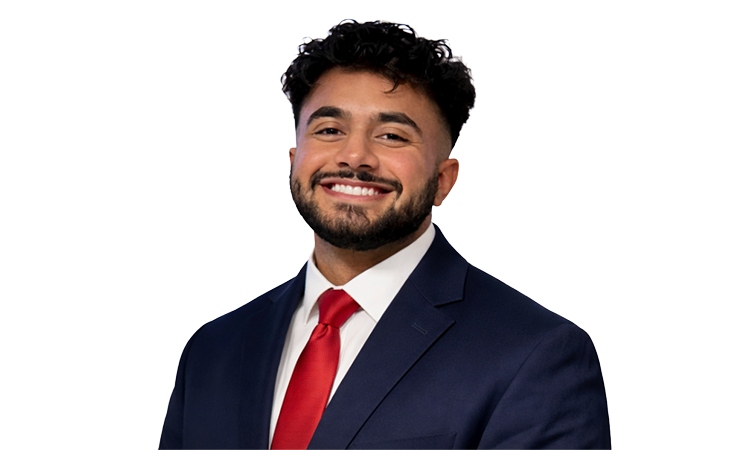
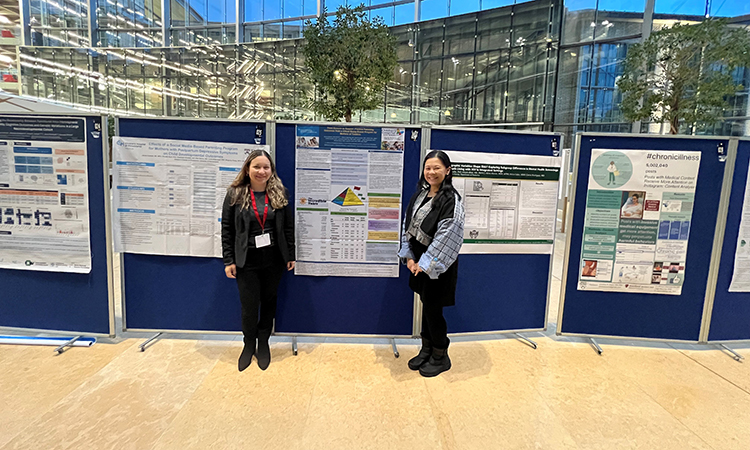
Dr. Joyce Javier (at right) is pictured with her mentee and co-poster presenter Dr. Karen Camero.

Dr. Joyce Javier (at right) is pictured with her mentee and co-poster presenter Dr. Karen Camero.

Dr. Javier also took part in a panel discussion for the 4th Annual Asian American Health Webinar , hosted by the M. Foscue Brock Institute for Community and Global Health, Macon and Joan Brock Virginia Health Sciences at Old Dominion University. She was joined by Dr. Tracy Fu, a researcher, educator, and community-engaged leader whose work has advanced maternal and child health along with Asian American health initiatives, and Dr. Lan Đoàn, Assistant Professor, New York University Grossman School of Medicine, Department of Population Health/Center for the Study of Asian American Health. The panelists focused on understanding and developing strategies to improve health in Asian American Pacific Islander communities. In addition, Dr. Cynthia Romero, Director of the Brock Institute, moderated their discussion on the rise of mental illness and major depressive episodes in Asian American youth and young adults and efforts to combat stigma. They also addressed the lack of multilingual clinicians and delayed care associated with cultural challenges. 

During her presentation, Dr. Javier discussed the increased suicide rates for AA+NHPI youth, which many studies link to risk factors such as family conflict, depression, colonial mentality, and low rates of help-seeking. She also shared more on her work with the FFHI to conduct community-based participatory research to better understand how to develop solutions based on community needs and strengths. Several pilot studies involving Filipino youth, parents, health and mental health care providers, community partners (including school, church, and community-based organization leaders) were essential in the development of FFHI. At its inception, FFHI offered The Incredible Years®, a 12-week, in-person program offering parents additional evidence-based strategies to promote the social and academic success of school-age children.  Such tools included: spending quality time with their children while reinforcing positive communication skills such as listening; providing validation, praise and encouragement; and promoting emotional awareness. The workshops also opened the door for parent-children discussions on the rise in anti-Asian hate during the COVID-19 pandemic, said Dr. Javier.

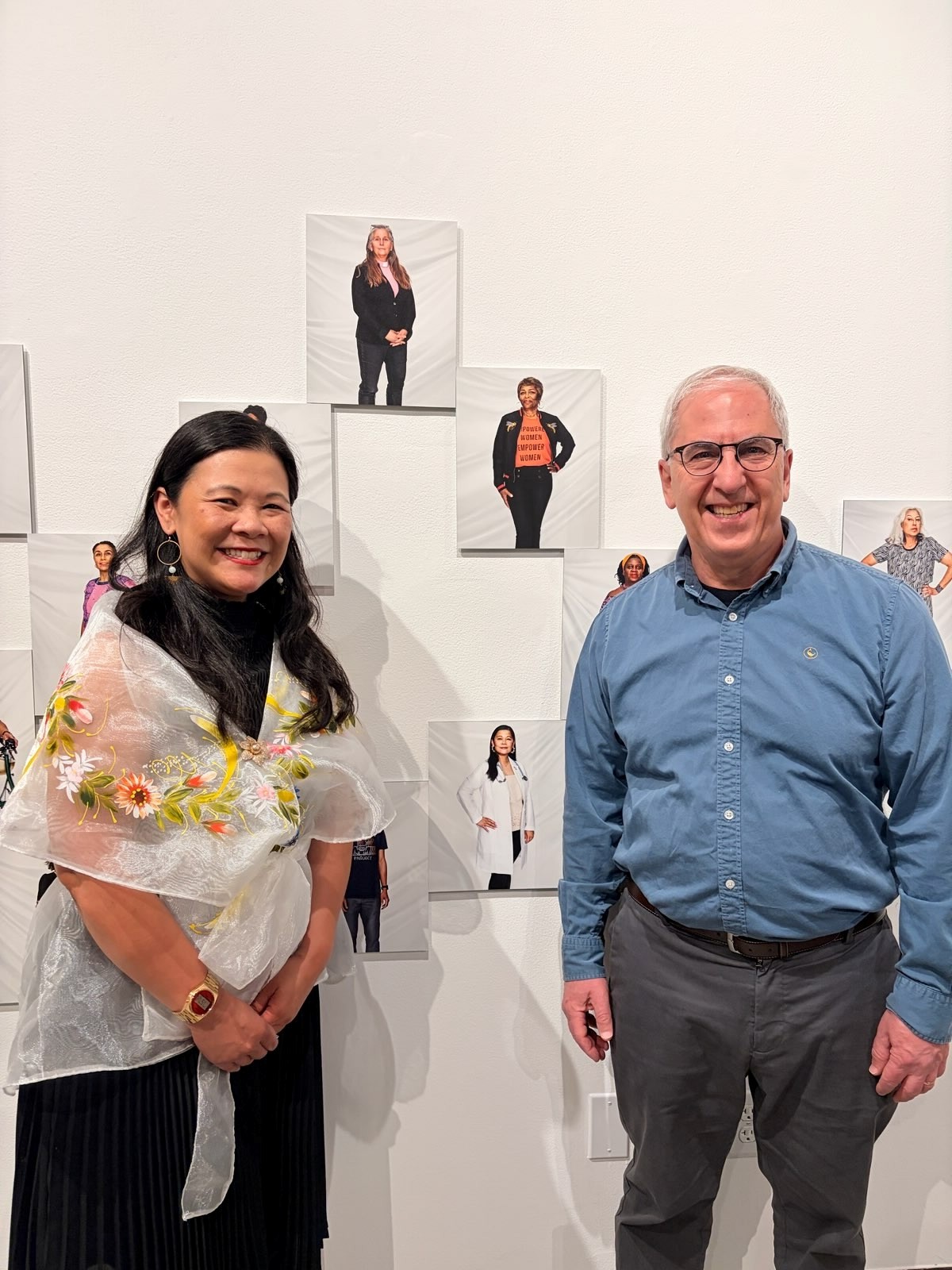
Dr. Joyce Javier is pictured with Dr. Jonathan Finkelstein, KPSOM Senior Associate Dean for Research and Scholarship, at the Alta exhibit.

Dr. Joyce Javier is pictured with Dr. Jonathan Finkelstein, KPSOM Senior Associate Dean for Research and Scholarship, at the Alta exhibit.

The pandemic further served as a catalyst to host the program online, which transitioned the once Los Angeles-based program to a statewide, and later, eventually global offering with a pilot grant that broadened the program’s reach to other parts of the United States and the Philippines. Dr. Javier’s team was also able to increase the program’s age bracket, including the mothers of infants and toddlers recruited from a federally qualified health center. Most notably, parents who completed the 12-week workshop overwhelmingly reported decreased depression and anxiety symptoms for their children.

Mental health struggles among AA+NHPI youth are often hidden because families and communities may be hesitant to discuss these matters, but Dr. Javier maintains that raising awareness helps normalize conversations about mental health and encourages help-seeking while reminding youth and families that support is available and recovery is possible.

“We all have a role in reducing stigma, increasing access to care, and creating environments where young people feel seen, supported, and connected,” said Dr. Javier. “I’m encouraged by the growing momentum and commitment to these conversations and collaborations.” 

Learn more about Dr. Javier’s prior study offering parental workshops to Filipino families in California or enroll in her current study . Also, visit Alta / A Human Atlas of a City of Angels , an art exhibit featuring Dr. Javier and other changemakers across Los Angeles, at Glendale Central Library’s Reflect Space now through July 12, 2026. 

Additional Resources