KPSOM Spotlight; KPSOM Community

Constructing a Culture of Benevolence

KPSOM’s Office of Development charts a new course after recent launch

March 02, 2026

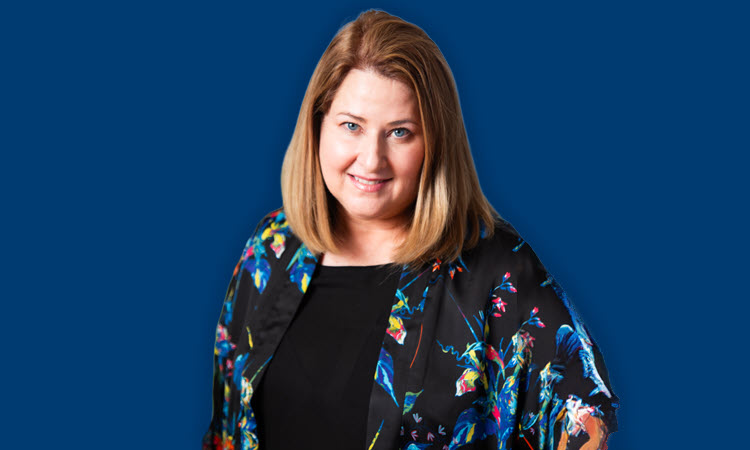
KPSOM Senior Director of Development Elizabeth Weinberg

KPSOM Senior Director of Development Elizabeth Weinberg

Kaiser Permanente Bernard J. Tyson School of Medicine (KPSOM) launched an Office of Development in 2024 and soon hired Senior Director of Development Elizabeth Weinberg to chart the course of the new department. Weinberg, a California native and graduate of University of California, Irvine, moved back to Los Angeles from the East Coast approximately 12 years ago. She had previously attended graduate school at New York University and carved out a career rooted in development and external relations at various nonprofit organizations, including City Harvest, the Guggenheim Museum, and the Environmental Defense Fund. With a venture back to sunny Southern California, Weinberg found herself entrenched in fundraising efforts across many sectors within large, complex institutions like Los Angeles Legal Aid, where she made an indelible social impact.

Weinberg has hit the ground running at KPSOM and is intrigued with the prospect of building a culture for philanthropy from ground zero while demonstrating that everyone in the school community is responsible for fostering a culture of giving at KPSOM and within the community at large. She has set out to do so with a deep sense of conviction and authenticity that transcends transactional fundraising.

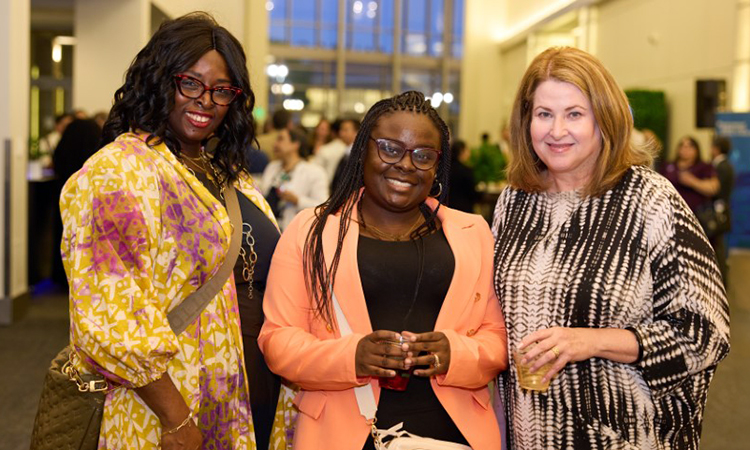
KPSOM Chief Advancement Officer Ije-Enu Udeze Nwosu, KPSOM Development Program Manager Danielle Omar, and Elizabeth Weinberg gather at the 2026 KPSOM Awards and Recognition Celebration.

KPSOM Chief Advancement Officer Ije-Enu Udeze Nwosu, KPSOM Development Program Manager Danielle Omar, and Elizabeth Weinberg gather at the 2026 KPSOM Awards and Recognition Celebration.

Weinberg sat down for a Q&A to share more about her background and expertise, what is ahead for KPSOM’s Office of Development, and more. The following interview has been lightly edited for length and clarity:

What are your team’s top objectives for 2026 as you chart a new course as Senior Director of Development? 

Being the first development office at the medical school is exciting, and it also comes with its own set of challenges. Since nothing like this has existed here before, it’s important to build a strong foundation from the start. For me, that means putting solid policies, procedures, and infrastructure in place so that as gifts come in, we’re ready. We can acknowledge them properly, take good care of our donors, and continue to show that we’re organized and reliable.

It also means helping create a culture of philanthropy across the school. In other words, making sure people understand that generosity helps move our mission forward, and that everyone plays a small part in that—not just the development team.

What are some long-term goals that you have in mind?

I want as many people as possible to know about the incredible work the school is doing, training doctors who are not only outstanding clinicians but also leaders ready to take on the health systems that disproportionately affect people and communities with fewer resources. Supporting the school is really an investment in healthier communities. When people give, they’re helping shape a future where care is more equitable and more effective for everyone.

What attracted you to this role?

Kaiser Permanente was my healthcare provider growing up, so I already knew their services well, and they really helped keep me and my family healthy. When I learned they had opened a medical school designed to train doctors who truly understand all the nonmedical factors that shape someone’s health, and that the school was tuition-free, I knew I had to find out more.

During the interview process, I was impressed by the people I met. Everyone was kind, thoughtful, and deeply committed to the mission. They could clearly explain why the school mattered to them personally, and it had a big impact on me. Each interview felt intentional and well-organized, and it gave me the chance to really get to know key leaders. By the time I met the team I would be working with, I was hooked.

How does your previous experience in development aid you in this role?

I’ve worked in nonprofits in both New York and Los Angeles, and I’ve had the chance to be part of organizations with operating budgets ranging from about $2 million all the way up to more than a billion [dollars]. Over the years, I’ve held a wide mix of external facing roles, everything from visitor services and membership sales to working closely with boards, overseeing events and sponsorships, managing marketing facing roles—everything from visitor services and membership sales to working closely with boards, overseeing events and sponsorships, managing marketing and employee giving programs, coordinating volunteers, and stewarding individual and major donors.

Through all of those experiences, the biggest constant for me has been the importance of building real, authentic relationships. Fundraising truly is a team sport. It relies on everyone, from facilities and security staff to senior leadership and board members, to help create an environment where generosity can flourish. And when those relationships are genuine and the work is joyful, that’s when you see the greatest success. That’s the kind of culture I love contributing to and helping to build.

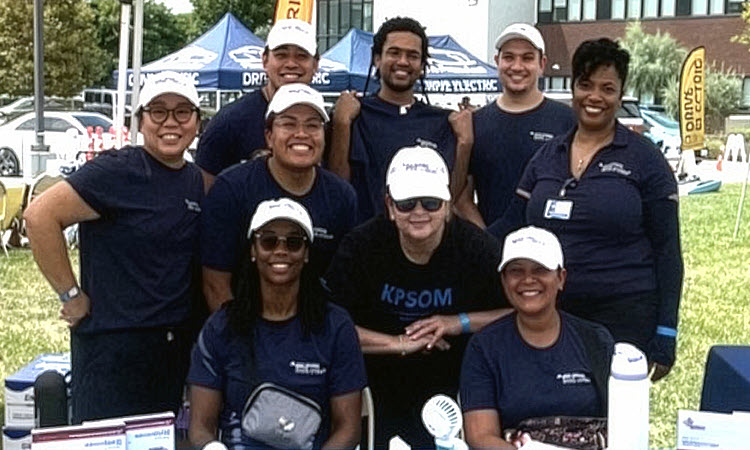
KPSOM Senior Director of Development Elizabeth Weinberg (center) is joined by KPSOM students, staff, and leaders at the 2025 ComptonFest.

KPSOM Senior Director of Development Elizabeth Weinberg (center) is joined by KPSOM students, staff, and leaders at the 2025 ComptonFest.

How are you partnering with your team to accelerate the advancement of your fundraising strategy, and what excites you most about the continued growth of your team?   

After nearly a year in this role, I welcomed a seasoned development professional who has already become a strategic partner in shaping our long-term fundraising vision. Together, we’re strengthening the infrastructure needed for a high performing, sustainable advancement program, one that grows alongside the school’s ambitions and deepens our impact. Looking ahead, I’m energized by the opportunity to build a fully realized development team, thoughtfully adding roles such as an annual giving manager, major gifts officers, alumni relations expertise, and eventually a planned giving specialist. Each addition represents a step toward expanding our reach, cultivating deeper relationships, and positioning the institution for the philanthropic success it deserves.

As KPSOM aims to support its students and ease the financial burden of medical school, what would you like the public and potential donors to keep in mind? 

Medical school is incredibly expensive, and that price tag can be a real barrier for people who would make exceptional physicians. Some of the most promising students are those who grew up in families that struggled financially or received substandard healthcare—they know firsthand why having great doctors matters. Others are already carrying significant undergraduate loan debt and simply can’t imagine taking on more. 

That’s why free and low-cost tuition is so powerful. It allows us to attract the best and most eclectic mix of future physician-leaders—people who bring lived experience, passion, curiosity, and a deep commitment to serving others. And our school is truly one of the best places to learn how to become a doctor who can make a difference, not just for individual patients, but for entire communities.

There’s also a common misconception that the medical school doesn’t need outside support because it’s funded by Kaiser Foundation Health Plan and Hospitals. While the Kaiser Foundation is incredibly generous, it’s not true that we don’t need additional philanthropic support. If we want to be a world class medical school, we need world class resources, and that requires a diverse base of supporters.

Plus, one of the reasons communities served by Kaiser Permanente tend to be healthier is because the Kaiser Foundation invests so heavily in local nonprofits that support human services. So, every dollar they allocate to the medical school is essentially a dollar that didn’t go to those community-based organizations. Philanthropy helps fill that gap, ensuring the school can excel and communities can continue to thrive. 

A memorial fund for the late Dr. Holly Humphrey, former KPSOM Board Chair, was particularly successful. Can you share more about this effort?

Dr. Holly Humphrey was a beloved medical educator and the former Chair of the KPSOM Board. When she passed, the school wanted to do something to honor her memory that would have been important to her. We created a fund to support the Holly J. Humphrey Distinguished Lectureship in Medical Education. This annual event will serve as a forum to promote innovation and excellence in the field Holly shaped. Contributors to the fund included board members, faculty, staff, and former students. The initiative was so successful, we surpassed our fundraising goal. 

What is the best way for the public to give to KPSOM and how does this support directly benefit our students?

Gifts to the medical school directly support students by keeping tuition free or low-cost and reducing their debt through scholarships, funding research and experiential learning opportunities, providing emergency assistance, strengthening teaching and mentorship, and enhancing programs like simulation training, wellness resources, and the medical humanities—filling critical gaps so students can thrive academically, professionally, and personally.

Is there anything else you’d like to add?

A gift to KPSOM is more than generosity; it’s an investment in every patient and community our students care for.
 

To support KPSOM programs, initiatives, and efforts to help keep tuition free and/or low-cost for students, please contact Elizabeth Weinberg directly or donate here .