As Kaiser Permanente Bernard J. Tyson School of Medicine (KPSOM) continues to evaluate and strengthen its curriculum, one message came through during the Office of Medical Education's annual Phase 3 Review in October: preparing students for residency requires more than medical knowledge alone.
A highlight of the event was a panel discussion on "Residency Readiness," which brought together KPSOM alumni now training in residency programs and experienced residency program directors from across Southern California. Their perspectives offered an opportunity to examine how the school's curriculum prepares graduates for the realities of residency while further identifying opportunities for continued improvement.
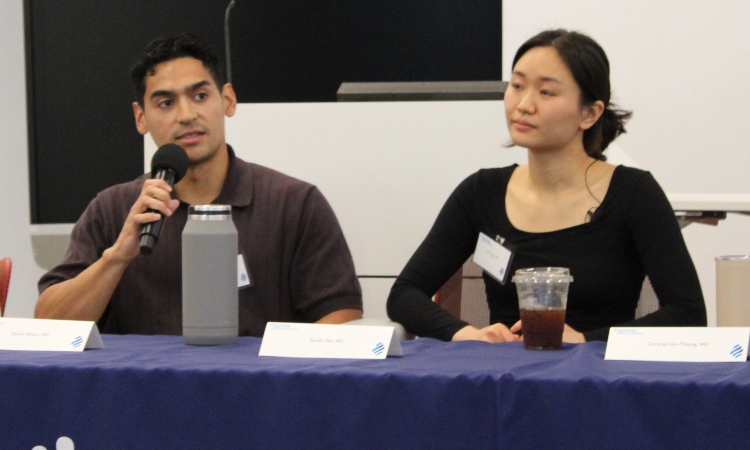
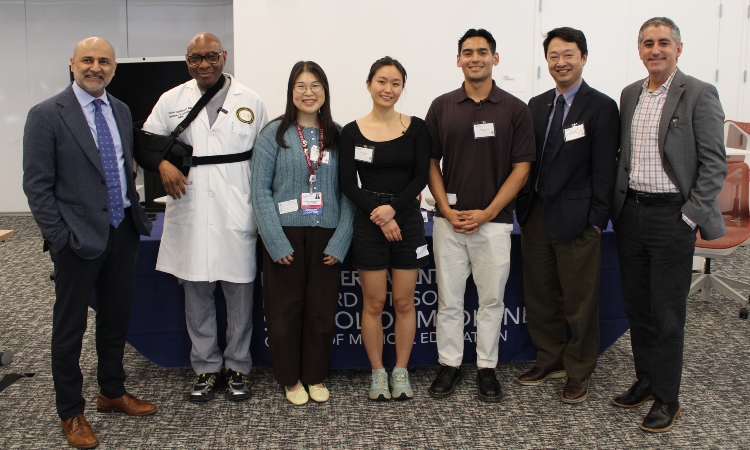
Moderated by Deepu Gowda, MD, Senior Associate Dean for Medical Education, the panel featured KPSOM graduates David Alfaro, MD, a Physical Medicine and Rehabilitation resident at UCLA Health; Sarah Jho, MD, an Internal Medicine intern at Kaiser Permanente Los Angeles Medical Center; and Caryssa Lim-Chang, MD, a resident with the USC Family Medicine Residency Program.
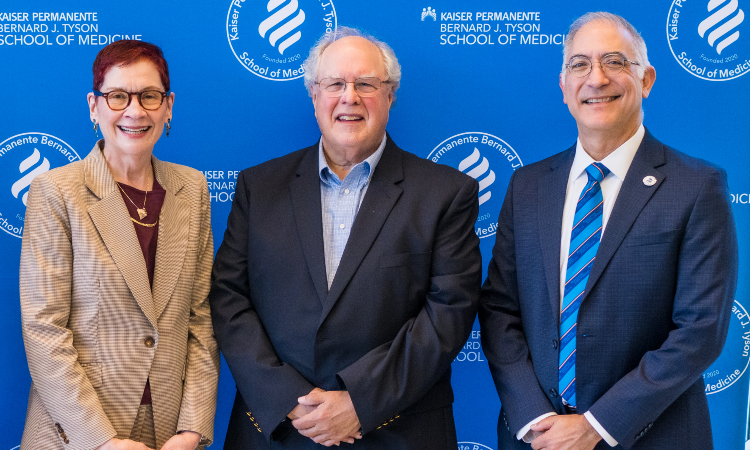
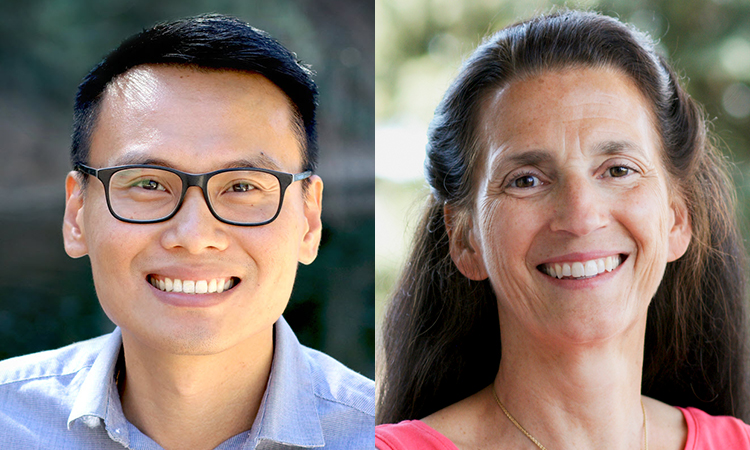
Joining them were residency education leaders Dotun Ogunyemi, MD, Professor and Chair of Obstetrics and Gynecology at Charles R. Drew University of Medicine and Science; Eric P. Hsieh, MD, Vice Chair for Educational Affairs and Director of the USC/Los Angeles General Internal Medicine Residency Program; and Matthew Silver, MD, Emergency Medicine Residency Program Director at Kaiser Permanente San Diego Medical Center.
On the transition from medical school to residency, the alumni panelists described a learning curve that was both challenging and rewarding. "The level of responsibility just increased, but it didn't feel like a significant jump," Jho said, noting that her experiences as a medical student helped her feel comfortable with the workflow and expectations of patient care. "I felt well-prepared." Alfaro echoed that sentiment, saying residency felt like "a continuation of medical school" before he eventually realized he had grown into his role as a physician.
Lim-Chang offered a different perspective. While she said the first month of residency was manageable because of her program's extended orientation, she also recalled feeling inundated by the volume of responsibilities and the complexity of balancing multiple priorities simultaneously.
"The first month is a big transition," she said. "Once you're really in that first block of medicine, I found myself being quite overwhelmed." Despite differences in their experiences, all three KPSOM graduates emphasized that residency demands skills extending beyond clinical knowledge, including prioritization, communication, adaptability, and confidence in making decisions amid uncertainty.
The residency directors agreed that while clinical knowledge remains important, successful residents distinguish themselves through professional habits and interpersonal skills.
Ogunyemi said incoming residents should be able to obtain a history and physical examination, understand common conditions within their specialty, and work effectively as members of a multidisciplinary team. However, he emphasized that resilience, self-awareness, and emotional intelligence are equally critical.
"The question is how do you deal with the challenges that will come?" Ogunyemi said. "There is going to be a lot of conflict. There are going to be a lot of new things [residents are] going to deal with."
Silver highlighted the challenge residency directors face when evaluating hundreds of applications and stressed the need for meaningful information about applicants' professional attributes. He pointed to qualities such as resilience, grit, prioritization, and time management as some of the most important predictors of success during residency training.
Throughout the discussion, panelists repeatedly returned to the realities of clinical practice that new physicians encounter during residency. Residents described learning to manage larger patient volumes, navigate complex health systems, communicate with nurses and consultants, balance competing responsibilities, and make decisions despite uncertainty.